Understanding the Importance of Proper Care for Your Lawn
Healthy grass growth is vital for a beautiful and sustainable lawn. A well-maintained lawn not only adds to the aesthetic appeal of your home but also contributes to environmental health by reducing soil erosion and improving air quality. However, achieving and maintaining healthy grass requires proper care and attention. This involves regular mowing, watering, fertilizing, and aerating to ensure optimal conditions for growth. Understanding these practices can significantly enhance the overall health and appearance of your lawn.
The Benefits of Regular Mowing
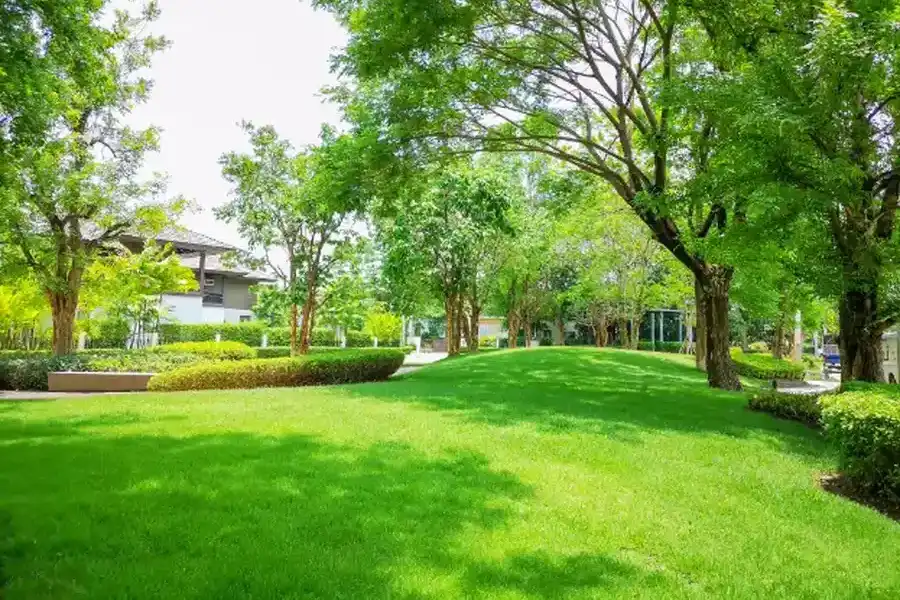
Mowing plays a crucial role in promoting thick and healthy grass. By cutting the grass regularly, you encourage it to grow more vigorously, resulting in a denser lawn that is better able to crowd out weeds. Additionally, keeping your grass at an appropriate height helps improve root development and water absorption. As part of effective lawn maintenance, mowing should be done consistently, ensuring that no more than one-third of the grass blade is removed at any time.
Fertilization: Feeding Your Lawn
Lawn maintenance isn’t complete without proper fertilization. Fertilizers provide essential nutrients that your grass needs to thrive. These nutrients include nitrogen, phosphorus, and potassium. Each plays a specific role in plant health, from leaf growth to root development. Applying the right type and amount of fertilizer at the correct times can significantly enhance your lawn’s growth and resilience against pests and diseases.
The Role of Watering in Lawn Care
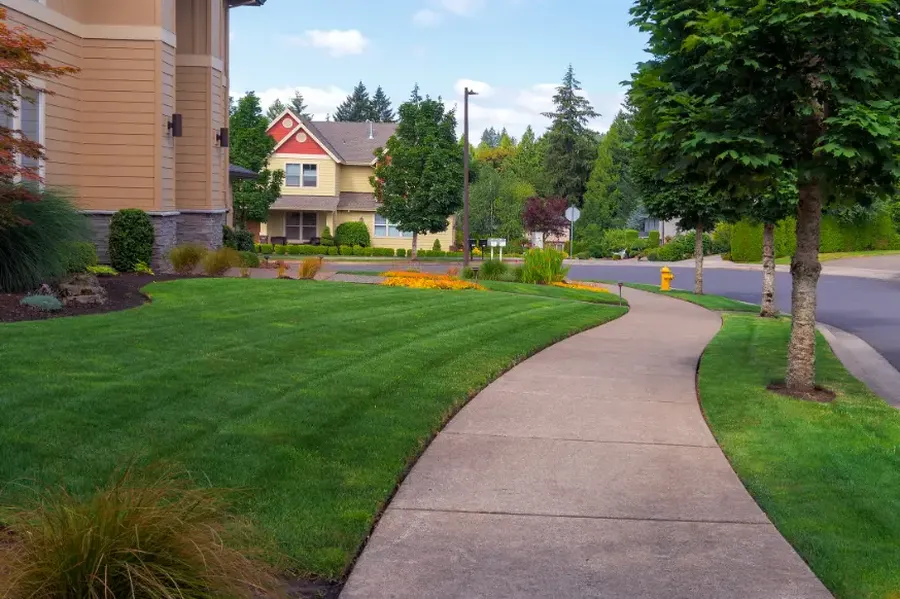
Watering is another critical component of maintaining healthy grass. Too much or too little water can lead to problems such as shallow roots or disease susceptibility. Ideally, lawns should receive about an inch of water per week, either through rainfall or irrigation. This ensures deep root growth and sufficient moisture levels throughout the soil.
- Water deeply but infrequently to promote strong roots
- Avoid watering during peak sunlight hours to reduce evaporation
- Adjust watering frequency based on weather conditions
Aeration: Improving Soil Conditions
Aeration helps improve soil conditions by allowing air, water, and nutrients to penetrate the grassroots more effectively. This process involves perforating the soil with small holes to alleviate compaction, which can hinder root growth and nutrient uptake. Aeration is particularly beneficial for lawns with heavy foot traffic or those composed of clay soil. It is recommended to aerate your lawn once or twice a year, depending on its condition.
Dealing With Common Lawn Issues
Even with diligent care, lawns can encounter issues such as brown patches, thinning areas, or weed infestations. Identifying the cause of these problems early allows for timely intervention with solutions like reseeding, pest control, or improved watering practices. Understanding common lawn problems and their remedies ensures that minor issues don’t escalate into significant concerns.
- Identify signs of stress like discoloration or wilting
- Test soil pH levels if growth is poor
- Consult professionals for persistent issues
The Cost of Effective Lawn Care
Maintaining a vibrant lawn may involve some investment in tools, fertilizers, and occasional professional services. However, the benefits often outweigh the costs when considering the long-term health and beauty of your outdoor space. Investing in quality products and services ensures lasting results while potentially increasing property value.
Final Thoughts on Maintaining a Healthy Lawn
A commitment to consistent and informed lawn care practices makes all the difference in achieving lush and robust grass growth. Regular efforts in mowing, watering, fertilizing, and aerating help create an ideal environment for your lawn to flourish. For expert assistance tailored to local conditions, contact us today at (704) 828-5615. At Luceros Landscaping and Tree Services, we specialize in comprehensive lawn care solutions designed to maintain beautiful landscapes across Matthews, NC.