The Role of Roots in Maintaining a Healthy Yard
Roots play a crucial role in the overall health of lawns and gardens. These underground structures are essential for plant stability, nutrient uptake, and water absorption. Understanding how root systems affect your landscape can help you create a thriving outdoor environment. By exploring their effects on soil quality and plant growth, you can implement practices that enhance your lawn’s vitality.
Understanding Root Systems
Root systems vary significantly among plants, contributing to different types of growth patterns and resilience levels. There are two primary types: fibrous roots and taproots. Fibrous roots spread out widely and are common in grass species, making them effective for covering ground quickly. Taproots, on the other hand, grow deeper into the soil, providing strong anchorage and access to nutrients located further down. Knowing which root system your plants use helps in planning garden layouts effectively.
Impact on Soil Quality
The health of root systems directly influences soil quality. As roots penetrate the soil, they create spaces that improve aeration. This process allows oxygen to reach deeper layers where it’s needed most. Moreover, decomposing roots add organic matter back into the soil, enriching it with nutrients necessary for future plant growth. For gardens requiring optimal soil conditions, considering root structure is vital.

Improving Lawn Health With Tree Services
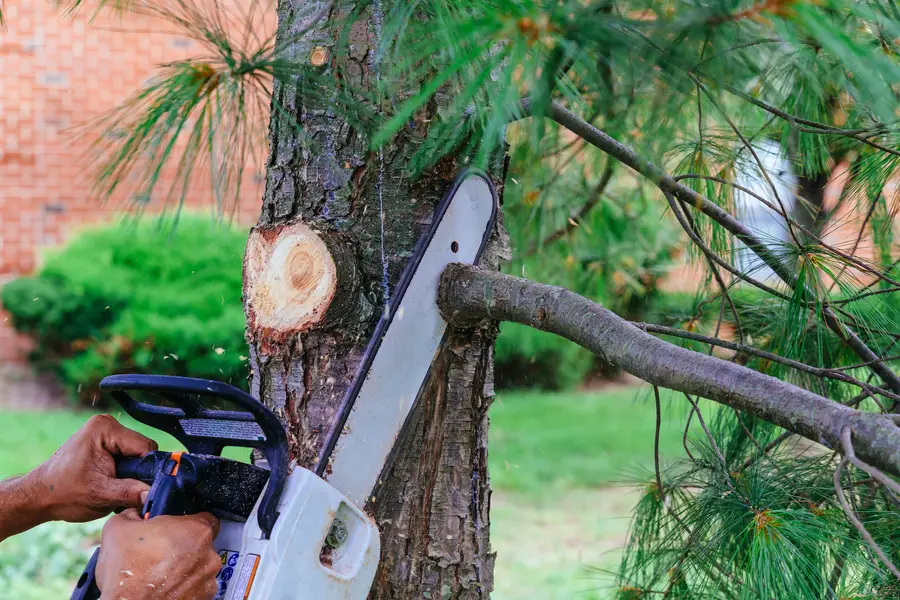
Maintaining healthy trees often requires expert care from professional tree service providers. They can help manage root growth, ensuring trees do not disrupt surrounding lawns or gardens. Regular consultations with tree experts ensure that any potential issues with spreading roots are addressed before they cause damage. Additionally, proper pruning and maintenance encourage healthier root development.
Challenges Posed by Overgrown Roots
Overgrown roots present several challenges. They can compact soil, reducing its ability to retain water and nutrients. This compaction can stifle grassroots, leading to patchy lawns. Furthermore, large tree roots may buckle sidewalks or disrupt underground utilities if left unchecked. Identifying these risks early on prevents costly repairs and maintains the structural integrity of your property.
Preventative Measures Through Strategic Planting
Strategic planting can mitigate potential root-related problems in landscapes. Selecting plants with compatible root systems helps prevent competition for resources like water and nutrients. Grouping plants with similar needs fosters a balanced ecosystem within your garden. By understanding each species’ unique requirements, you can optimize space and resource allocation efficiently.
Best Practices for Maintaining Healthy Roots
To maintain healthy root systems, consider implementing the following best practices:
- Regularly aerate soil to improve air circulation.
- Water deeply but infrequently to promote deep root growth.
- Apply mulch to regulate soil temperature and moisture levels.
- Avoid over-fertilizing as it can lead to shallow rooting.
Professional Tree Service Benefits
Employing a professional tree service provides numerous benefits for managing root systems effectively. Experts can analyze your property’s specific needs and tailor strategies accordingly. Whether it’s routine inspections or emergency interventions, trained arborists offer solutions that preserve both aesthetics and functionality of landscapes.
Your Partner in Lawn Care Solutions
For those looking to enhance their garden’s health, Luceros Landscaping and Tree Services offers comprehensive services tailored to individual landscapes. Our team focuses on sustainable approaches that support long-term growth while minimizing impact on existing structures. Located in Matthews, NC, we take pride in serving our community with expertise that ensures lush, vibrant yards all year round. Contact us today at (704) 828-5615 to explore how we can assist in achieving your dream landscape.