How Healthy Soil Reduces Unwanted Plant Growth
Healthy soil plays a crucial role in maintaining a thriving garden or lawn. It not only supports the growth of plants but also helps prevent weeds. Good soil structure allows plants to absorb nutrients effectively, making them strong and robust. When plants are healthy, they can outcompete weeds for resources like sunlight, water, and space. This natural competition is a vital aspect of weed prevention, highlighting the importance of maintaining healthy soil.
The Role of Organic Matter in Soil Health
Organic matter is essential for maintaining soil health. It improves soil structure, increases nutrient availability, and enhances water retention. These factors together create an environment where desirable plants thrive while making it difficult for weeds to establish themselves. By using compost and other organic materials, you can enrich your soil with the nutrients it needs. Over time, this practice will lead to fewer weeds in your garden.
Benefits of Mulching for Weed Suppression
Mulching is a practical approach to manage weeds and improve soil health. It involves covering the soil surface with materials like straw, wood chips, or shredded leaves. Mulch acts as a barrier, blocking sunlight and preventing weed seeds from germinating. Additionally, as mulch breaks down, it adds valuable organic matter back into the soil. Incorporating mulching into your gardening routine can enhance both soil quality and weed control service effectiveness.
Understanding Soil Ph and Its Impact on Weeds
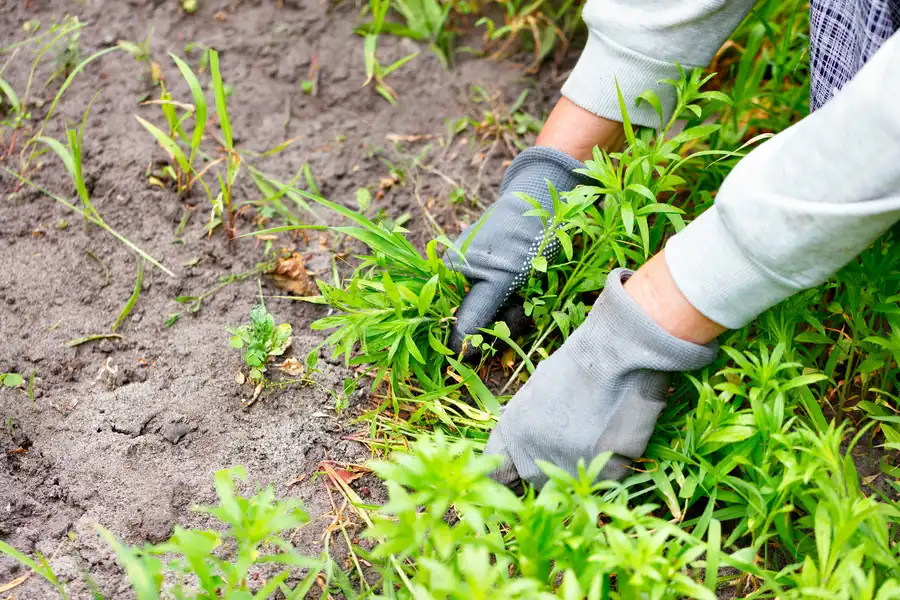
Soil pH significantly affects plant growth and weed presence. Most plants prefer slightly acidic to neutral soil conditions. However, some weeds thrive in soils that deviate from this range. By regularly testing and adjusting your soil’s pH, you can create an optimal growing environment for your plants and discourage weeds. Balancing soil pH is an integral part of any comprehensive weed control service strategy.
Advantages of Crop Rotation for Weed Management
Crop rotation involves changing the types of crops grown in specific areas over different seasons. This method disrupts weed life cycles and prevents them from becoming established. Different crops use varying nutrients and affect the soil differently, which helps maintain its fertility and reduce pest buildup. By practicing crop rotation, gardeners can naturally manage weed populations while improving soil health.
Comprehensive Approach to Weed Control
A holistic approach to weed management includes several practices working together. Here are some key components:
- Maintaining healthy soil through organic matter addition
- Utilizing mulching techniques
- Regularly testing and amending soil pH levels
- Implementing crop rotation
- Practicing consistent watering and fertilization schedules
Cost-Effective Strategies for Long-Term Benefits
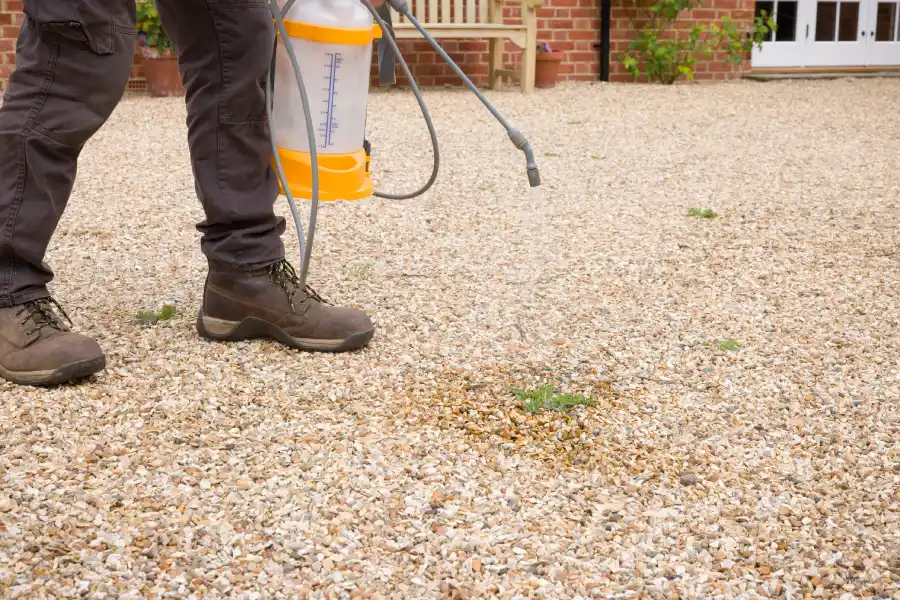
Investing in soil health offers long-term savings in weed management costs. Healthy soil means less reliance on chemical herbicides, reducing expenses related to their purchase and application. Moreover, the benefits extend beyond weed control; improved soil leads to better water retention and nutrient availability. Although initial efforts may require time and resources, the overall investment yields considerable returns.
Your Path to Lush Gardens With Minimal Weeds
Achieving a beautiful, weed-free garden is possible by focusing on healthy soil practices. Regular care-including adding organic matter, adjusting pH levels, and rotating crops-ensures robust plant growth that naturally suppresses weeds. For expert advice tailored to your local conditions, contact us at (704) 828-5615. Our team at Luceros Landscaping and Tree Services specializes in sustainable gardening solutions across Matthews, NC. Let us help you cultivate vibrant landscapes with ease.