How Pruning Revitalizes Your Garden After Winter
Spring is a time of renewal and growth, making it the ideal season for landscape recovery. One essential task in this process is pruning. With the challenges posed by winter weather, plants often need care to regain their strength and beauty. Proper pruning helps remove dead or damaged branches, encourages new growth, and shapes your garden into a vibrant space. Understanding how to effectively prune will ensure that your garden thrives throughout the warmer months.
Benefits of Pruning in Landscape Recovery
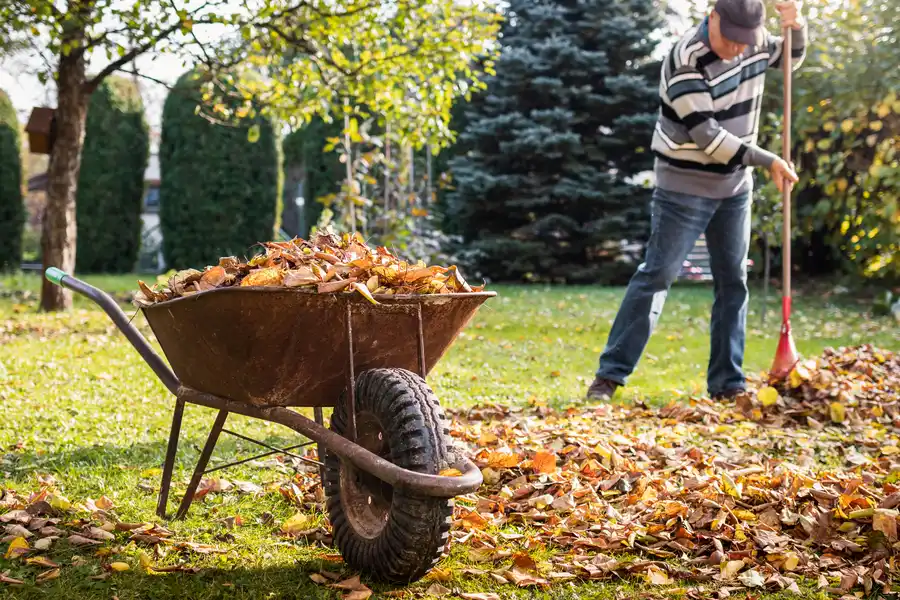
Pruning offers several benefits that contribute to landscape recovery. First, it removes dead or diseased branches which can otherwise harm plant health. Secondly, pruning promotes healthy growth by directing energy to thriving parts of the plant. It also improves air circulation and sunlight exposure, both crucial for plant health. Lastly, shaping plants through pruning enhances aesthetic appeal, allowing you to create a well-maintained garden.
Challenges Faced After Winter
After winter, gardens often face challenges such as broken branches and frost damage. These issues can hinder new growth and affect the overall appearance of your landscape. The accumulation of debris also makes it difficult for plants to receive adequate sunlight and air. This is where a thorough spring clean up becomes necessary to clear out unwanted elements and make room for healthy development.
Effective Pruning Strategies
To achieve optimal results, follow effective pruning strategies. Start by identifying plants that require attention. Use sharp tools to make clean cuts, as ragged edges can invite disease. Focus on removing branches that cross or rub against each other. For flowers, cut back stems above a bud to encourage blooming. Remember, excessive pruning can stress plants, so always aim for balance.
Spring Clean up Techniques
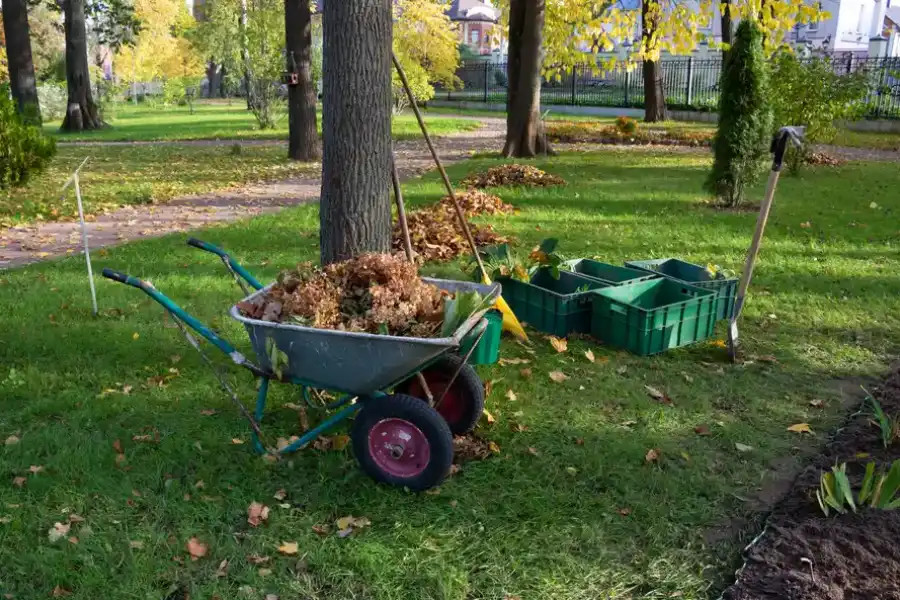
A successful spring clean up involves more than just pruning. Begin by removing fallen leaves and debris to allow plants to breathe. Aerate the soil around trees and shrubs for better water absorption. Mulching helps retain moisture and suppress weeds. Regular cleaning and maintenance keep the landscape tidy and support plant recovery after the harsh winter months.
Best Practices for Pruning
Adopting best practices ensures efficient pruning. First, always disinfect your tools before use to prevent spreading diseases. Choose the right tools for specific tasks; hand pruners work for small branches while loppers handle thicker ones. Pay attention to seasonal timing; early spring is best for most species. Following these guidelines will maximize the effectiveness of your pruning efforts.
Understanding Industry Standards
Industry standards emphasize safety and sustainability in pruning practices. Always wear protective gear to safeguard against injuries from falling branches or thorns. Additionally, consider the environmental impact of your actions. Avoid excessive waste by composting organic material removed during pruning. Adhering to these standards promotes both personal safety and ecological responsibility.
Budget Considerations
Cost is an important consideration when planning landscape recovery. Prioritize tasks based on immediate needs versus long-term goals. Invest in high-quality tools that offer durability and ease of use over cheaper alternatives that may not last as long. Hiring professional services might seem costly upfront but can save money in avoiding future plant damage due to improper techniques.
Final Thoughts on Landscape Recovery
Your garden deserves meticulous care after enduring harsh winters. By prioritizing tasks like pruning and spring clean up, you set the stage for a lush and thriving environment. Reach out to Luceros Landscaping and Tree Services at (704) 828-5615 for expert guidance tailored to your landscaping needs. Our dedicated team serves clients across Matthews, NC, ensuring every project meets the highest standards of quality and satisfaction.